
You know Pinoy Henyo.
One person guesses a word. The other person can only say “yes” or “no.” Everyone’s shouting clues, the clock is running, and somehow… the answer is always so obvious to everyone except the person who needs to say it.
It’s a funny game.
But it’s also kind of a perfect little experiment in communication.
Because here’s the thing… the people giving clues?
They all know the answer.
They all have the same information.
And yet, watch closely and you’ll notice something.
Not everyone gives the same clue.
Not everyone is heard the same way.
Sometimes the guesser is this close and the room is screaming the right direction, but it just doesn’t land.
Same information.
Different outcomes.
That, in a nutshell, is communication.
What Communication Actually Is
Communication isn’t just talking.
It’s not sending a message and considering your job done.
Real communication is the entire loop.
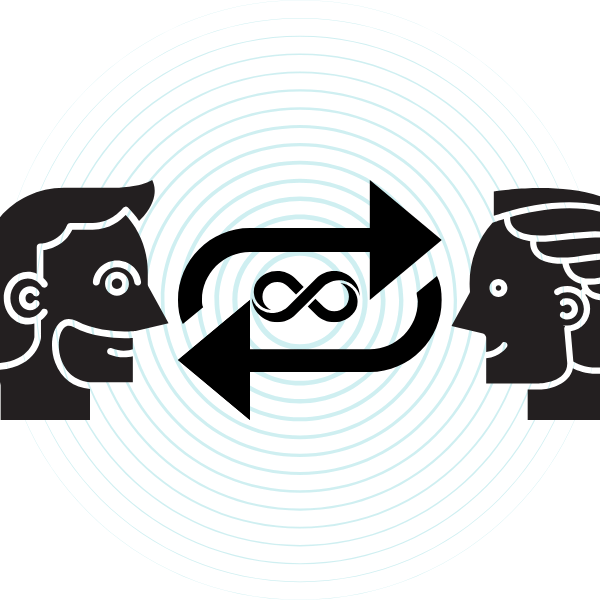
It is the transmission and receipt of messages between two or more parties.
You send something, the other person receives it, interprets it, and then (this is the part people forget) you find out whether what they understood matches what you meant.
If that last part doesn’t happen, you don’t actually know if you communicated.
You just know you talked.
What Communication Is NOT
This is worth spending time on, because a lot of leaders think they’re communicating well when they’re really not.
Communication is not:
- Sending an email and assuming it was read, understood, and agreed with
- Talking a lot (volume is not the same as clarity)
- Giving instructions once and expecting perfect execution
- Assuming silence means agreement
- Assuming your intention is obvious just because it’s obvious to you
That last one is the trap most of us fall into. We know what we meant. So we assume everyone else does too. But meaning doesn’t transmit automatically. It has to be checked.
This is exactly what Pinoy Henyo shows us, just compressed into a game. The clue-giver knows the word. The clue-giver believes their clues are clear. But the guesser is working with a completely different picture in their head, built from whatever words actually landed.
Is communication the same as understanding?
No. Understanding is the goal. Communication is the process that’s supposed to get you there. And a lot of the time, the process breaks down somewhere in the middle, quietly, without anyone noticing until much later.
Why It Matters in Leadership
A leader’s job, in a lot of ways, is to get people moving in the same direction without that leader being physically present for every decision.

That only works if people genuinely understand what’s expected of them. Not technically heard it. Understood it. Internalized it enough to make good decisions when the leader isn’t in the room.
When communication breaks down, you don’t usually see it immediately. You see it later, in the form of missed deadlines, misaligned work, repeated mistakes, or people quietly doing things differently than intended because nobody actually checked if the message landed.
How Communication Supports the Other Three Pillars
Communication isn’t really a standalone pillar.
It’s more like the thing that makes the other three actually work.
Alignment. You can’t align people around a goal they don’t clearly understand. Alignment isn’t just everyone nodding in a meeting. It’s everyone walking away with the same picture of what “done” looks like. Without communication, what you actually get is everyone nodding… and then doing five different things.

Has this happened to you? Everyone agreed in the meeting. Then a week later, you find out three people interpreted the plan three different ways. That’s not a failure of effort. That’s a failure of communication.
Transparency. Transparency requires communication, but it also requires the right kind. Sharing information that nobody understands isn’t transparency.

It’s just noise.
Real transparency means making sure people not only have access to information, but can actually make sense of it. A leader can be very “open” and still leave people in the dark, just because nothing was explained in a way people could actually use.
Accountability. This one might be the clearest connection of all. You cannot hold someone accountable for something they were never clearly told.
That’s not accountability, that’s just unfairness with extra steps.
Accountability only works when expectations were communicated clearly enough that everyone agreed on what they were being held to in the first place.

So really, communication isn’t a fourth pillar sitting next to the other three.
It’s more like the wiring that runs through all of them. Take it away, and the other three pillars are just standing there, disconnected from each other.
Bringing It Back to LEAD 1
If you think back to the leadership skills we covered before, a lot of them quietly depend on communication to actually show up in real life.
Empathy needs communication to be felt by the other person, not just experienced internally by the leader. Decision-making needs communication so people understand not just what was decided, but why.
Even something like delegation is really just communication with a deadline attached.
The Takeaway
Communication, ironically, isn’t the loud pillar.

It’s not the one people usually point to first when they talk about leadership.
But it’s the one that determines whether the other three actually mean anything in practice.
Like Pinoy Henyo… having the right answer in your head isn’t the same as making sure everyone else gets there too.
That gap, between what you meant and what landed, is where leadership either holds together or quietly falls apart.